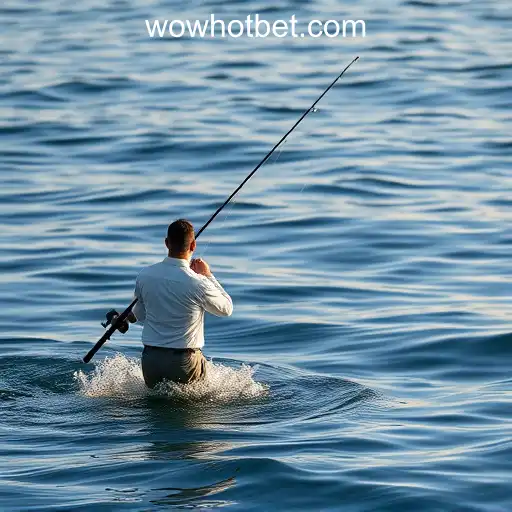
Fishing: A Timeless Pursuit that Captivates Enthusiasts Worldwide
Fishing is one of the oldest and most cherished pastimes across the globe, offering enthusiasts not only the chance to catch fish but also an opportunity to connect with nature. The art of fishing combines skill, patience, and a deep understanding of the aquatic environment. From serene lakes to the expansive ocean, fishing has become a cultural touchstone, fostering community and leisure activities for generations.
The Basics of Fishing
At its core, fishing is the act of catching fish from bodies of water. Methods vary widely, from simple line-and-hook setups to complex net strategies involving multiple people. Anglers, a term often used for those who fish with rods and reels, rely on a blend of technique, equipment, and local knowledge to succeed in their pursuits.
The equipment used in fishing is as diverse as the types of fishing itself. Traditional fishing gear includes rods, reels, lines, and hooks. More advanced equipment involves sonar technology for finding fish, and specialized lures designed to attract specific fish species. The choice of gear often depends on the target fish, fishing location, and personal preference.
Freshwater vs. Saltwater Fishing
Fishing can be categorized primarily into freshwater and saltwater activities. Freshwater fishing typically takes place in lakes, rivers, and ponds, targeting species such as bass, trout, and catfish. This type of fishing is often more accessible to beginners due to the abundance of freshwater locations and relative ease of catching common species.
Saltwater fishing, on the other hand, occurs in the ocean or seawater-based environments. It presents unique challenges due to the vastness of the ocean and the size of the fish species involved, such as tuna, marlin, and sharks. This type of fishing often requires a boat for access to deeper waters and specific gear calibrated for fighting larger and more powerful fish.
Fishing Techniques and Strategies
Different fishing methods are employed depending on the environment and desired catch. Common techniques include fly fishing, ice fishing, trolling, and bottom fishing. Fly fishing uses lightweight lures called flies and is often pursued in freshwater streams and rivers. Ice fishing occurs during winter months, where anglers cut holes in frozen lakes to drop lines into the water below.
Trolling involves towing fishing lines behind a moving boat, which is particularly effective in saltwater conditions where fish like to chase bait. Bottom fishing, as the name implies, targets fish that dwell near the ocean or lake floor, using weighted hooks and sturdy lines to reach these depths.
The Joy of Fishing with WOWHOT Oficial Slots Brasil #1
Among the delightful and relaxing aspects of fishing is the potential for reflection and camaraderie it fosters. Anglers often enjoy sharing stories and tips, building a sense of community. For many, the thrill lies not just in the catch but in the entire experience - the sun rising over a calm lake, the gentle rhythm of casting, and the quiet exhilaration of a reel spinning with potential.
Incorporating an element of excitement into this timeless activity, enthusiasts familiar with WOWHOT Oficial Slots Brasil #1 can understand the thrill of combining skill with an element of chance, much like the unpredictability of fishing itself. As the anticipation builds while waiting for a nibble, parallels can be drawn to spinning reels, where chance meets preparation in pursuit of a reward.
Conservation and Sustainable Practices
The role of conservation in modern fishing cannot be understated. Overfishing has become a significant environmental concern, threatening marine ecosystems and fish populations. Sustainable fishing practices are essential to ensure that future generations can enjoy this pastime. Regulations such as catch-and-release policies, fishing quotas, and protected marine areas are implemented worldwide to maintain fish populations and biodiversity.
Anglers are encouraged to understand local regulations and participate in conservation efforts, ensuring their activities do not negatively impact the environment. Educational programs and community initiatives often emphasize the importance of preserving aquatic ecosystems through responsible fishing practices and awareness.
Embracing Technological Advances in Fishing
While fishing's origins are deeply rooted in tradition, modern technology has brought new dimensions to the hobby. Advanced fish finders and GPS systems allow anglers to locate schools of fish more efficiently. Mobile apps can provide weather updates, tide timing, and even virtual fishing logs to track and share successful catches.
One notable innovation is in artificial intelligence and machine learning, where predictive analytics help identify potential fishing hotspots, increasing efficiency and success rates. These technologies ensure that fishing remains a relevant and engaging pursuit in the digital age.
The Cultural Significance of Fishing
Fishing transcends individual enjoyment and often plays a critical role in cultural traditions worldwide. In some communities, it remains a primary food source, crucial for survival and economic stability. In others, it serves as a ceremonial practice, with rituals and celebrations heralding the start of fishing seasons.
Fishing tournaments have also become popular, drawing people together for competitive and recreational purposes alike. These events highlight not only skill but also foster sportsmanship and camaraderie. Participants and spectators enjoy the vibrant mix of competition, tradition, and community involvement at these gatherings.
The universal nature of fishing has woven it into the cultural fabric of society, ensuring its relevance across generations. Whether enjoyed as a solitary escape or a communal event, fishing holds a magnetic allure that continues to captivate, offering timeless enjoyment and connection to the natural world.